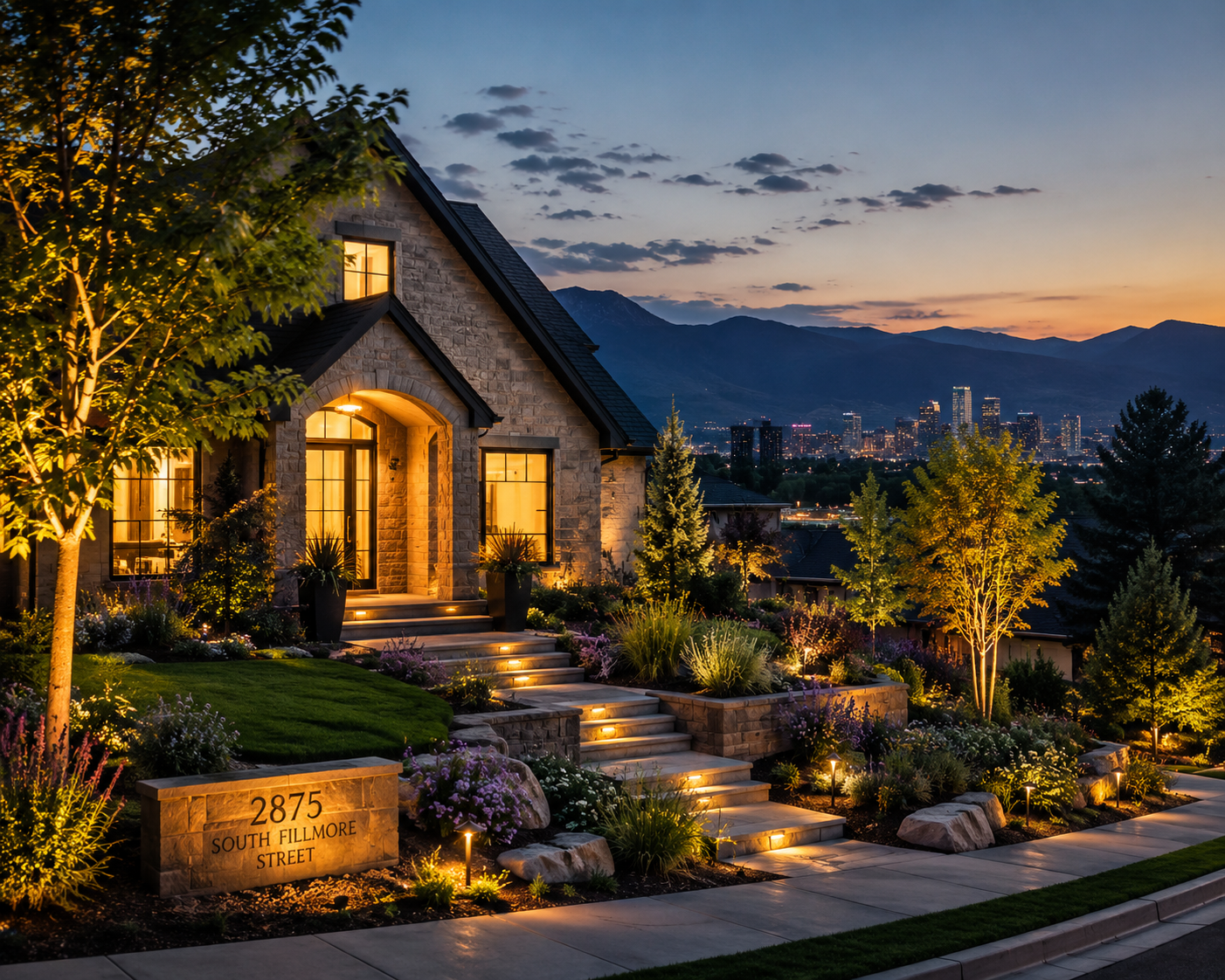
Keep the lawn you use; rethink the areas you do not
Xeriscaping does not mean removing every lawn area or filling the entire yard with rock. Mark a simple yard sketch with play areas, pet routes, gathering spaces, existing plants to keep, and beds you want to change. Note sun and shade as you observe them, rather than assuming every spot suits the same plants. For a Westminster estimate, identify one priority conversion area and its rough dimensions so retained lawn and new beds can be reviewed as separate parts of the request.
Define bed preparation before choosing a finished surface
Photograph weeds, old edging, existing mulch or rock, bare soil, and any materials you want removed. A bed refresh is different from removing lawn and preparing a new planting area. List cleanup, removal, haul-away, soil preparation, edging, and installation separately; none should be assumed to come with the others. Include gate width, steps, and the route from the unloading area to the work zone so the estimate can account for access.
Compare planted beds, mulch, and rock by their job
Choose a surface around the use of the area, not just its appearance in a concept image. Planted beds need room for growth and maintenance access; organic mulch and rock have different handling and refresh needs. Neither creates a permanently weed-free yard. Share material preferences, existing plants, foot traffic, and maintenance expectations. Plant selection, material availability, and suitability need project review before a final scope is agreed.
Review irrigation before covering the work area
A smaller lawn and new beds may need different irrigation coverage from the old layout. Send existing controller and valve-box photos, a rough map of visible heads or drip lines, and previous observations of overspray, dry patches, or wet spots. Identify plants and lawn that must continue receiving water. Keep controls and valve boxes accessible. These notes support review; they do not establish which repair or conversion is required, and irrigation changes should be scoped separately from material installation.
Keep drainage and grade questions visible
Rock or mulch should not hide a low spot or a drainage concern. Include photos of downspout outlets, slopes, pooling, washouts, nearby structures, and existing drainage features. Use prior rain photos if you have them; do not create runoff to demonstrate a problem. A drain calculator can organize rough quantities only after an appropriate approach is reviewed. Photos alone do not establish a drain location, a safe outlet, or a need for regrading.
Plan after winterization without restarting the system
For late-season Westminster planning, say whether the irrigation has been winterized and when. Use existing observations, yard dimensions, and accessible photos; do not restart a winterized system for an estimate picture. Planning and installation are different steps. Weather, soil and access conditions, material availability, and the reviewed scope determine what timing is feasible. A request is not a promise of winter installation or freeze protection.
Check your property requirements before committing
Confirm the actual property water provider and any applicable HOA or project rules directly. A Westminster mailing address alone does not establish program eligibility, watering rules, required approvals, or a rebate. If you intend to apply for a program, ask the provider about current requirements before removing lawn or buying materials. No rebate approval, contractor-program status, or percentage water savings is promised by this page.
Prepare a free estimate for the area you want to change
Send your Westminster location, wide and detail photos, dimensions by work area, plants and lawn to retain, access limits, winterization status, removal and disposal needs, and preferred materials. Add your budget priorities and which task should happen first. The mulch and sod calculators can help organize separate quantities for beds and retained or repaired lawn; their assumptions are not a fixed final quote. Use the AI planner to collect the notes, then request a free estimate and confirm scope, pricing, feasibility, and timing before scheduling work.