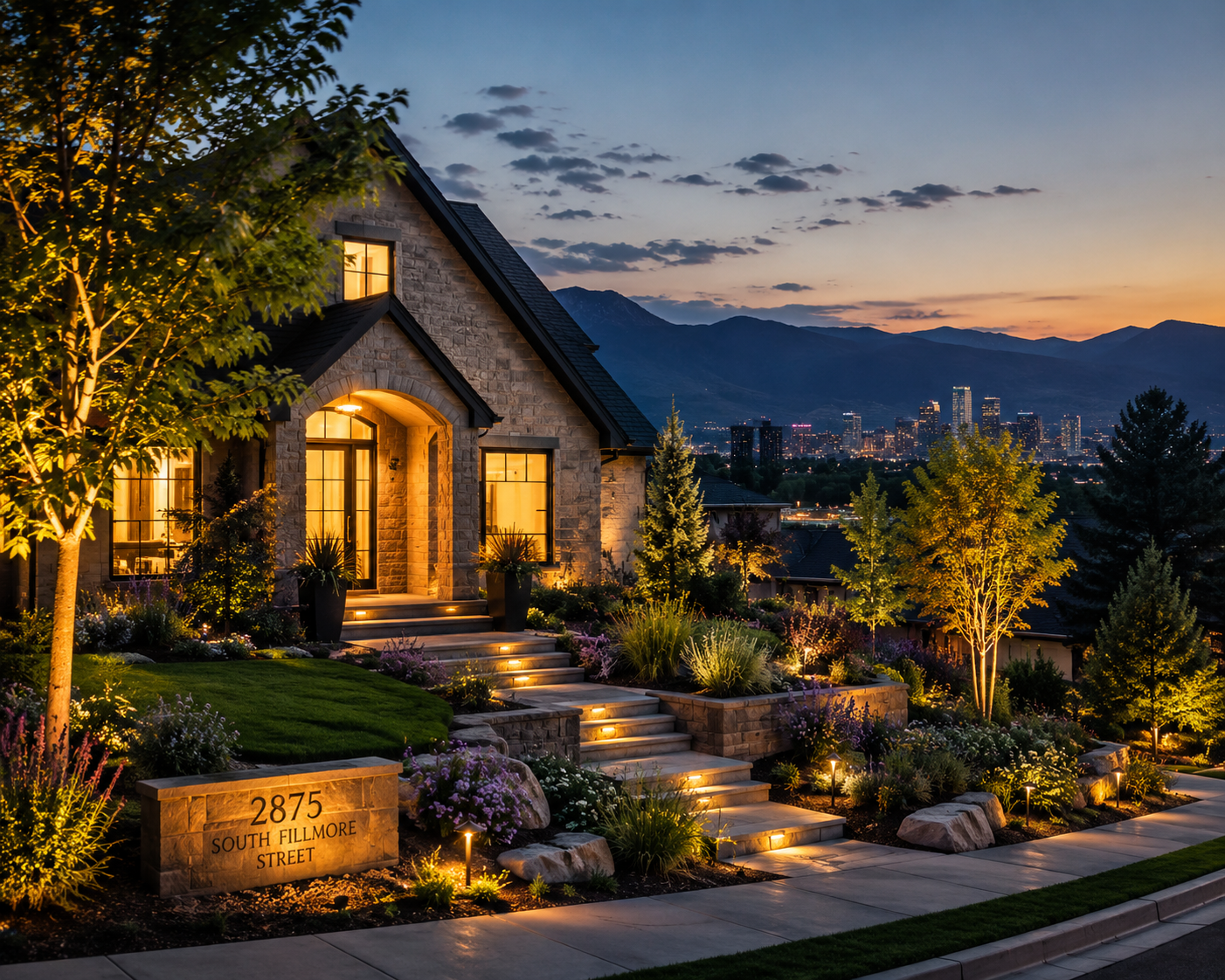
Water-efficient planning starts with zones
A Denver water-efficient yard plan should separate useful lawn, failing lawn, hot strips, shady areas, slope or drainage problems, and planting beds. That makes it easier to decide where rock, mulch, drought-tolerant plants, artificial turf, sod repair, or drip irrigation may make sense.
ColoradoScape and rebate language should stay cautious
Water provider programs, ColoradoScape rules, eligibility, timing, and documentation can change. Pro Yard content should help homeowners gather photos, measurements, materials, and irrigation notes, but should not promise rebate approval or program eligibility.
Irrigation changes matter before materials go in
Grass removal or xeriscape-style work may require capping spray heads, adjusting zones, adding drip irrigation, fixing overspray, or changing controller schedules. Sprinkler details should be reviewed before installing rock, mulch, plants, turf, or replacement sod.
City and water-provider notes belong in the request
Water-efficient landscaping searches are increasingly city-specific across Denver, Arvada, Lakewood, Westminster, Broomfield, Aurora, Littleton, Wheat Ridge, Thornton, Boulder, and Louisville. Include your city, water provider if known, watering-rule concerns, program deadlines, and whether you are planning around lawn replacement, sprinkler repairs, rock, mulch, drainage, or drought-tolerant planting.
Pair lawn conversion with drainage and soil clues
A low-water yard can still fail if compacted soil, downspouts, slopes, low spots, or sprinkler runoff are ignored. Before installing rock, mulch, turf, sod, or plants, send photos after watering or rain and note whether a French/Underground Drain, regrading review, downspout extension, aeration, or cleanup should be considered.